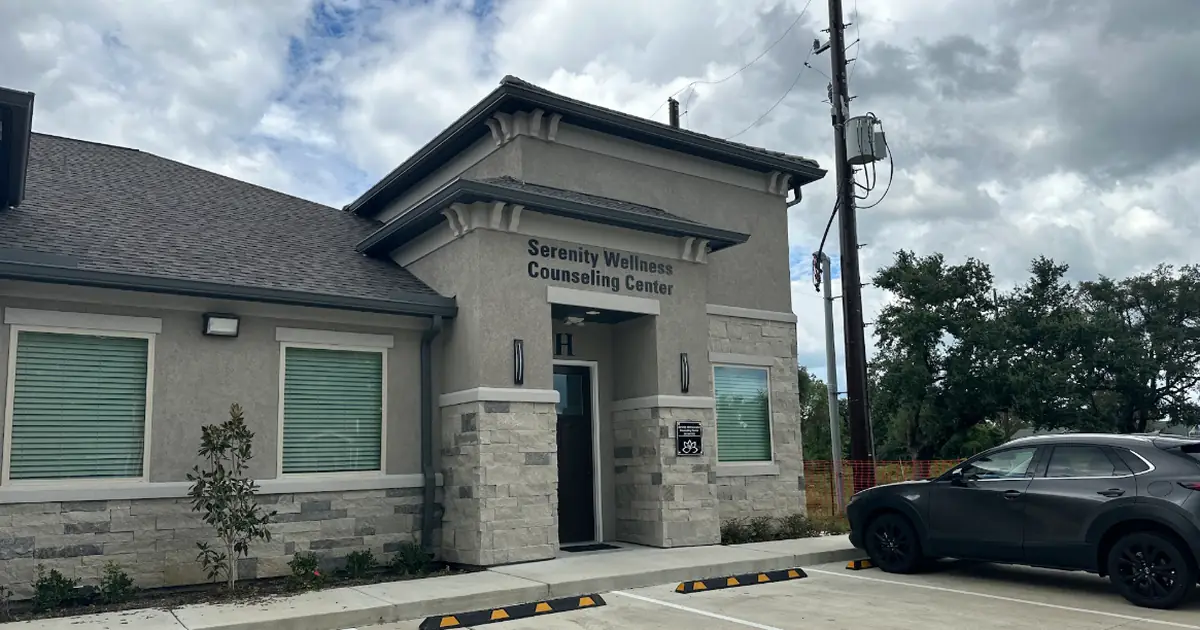
A ketamine-assisted therapy session is one part of a four-step process: a consultation and medical screening, preparation, the ketamine session itself, and integration afterward.
A ketamine-assisted therapy journey has four parts: a consultation and medical screening, preparation sessions, the ketamine session itself, and integration therapy afterward. During the session you are monitored by trained staff, you may feel dreamy or detached, and you should not drive afterward.
The total cost depends on how many sessions your plan includes, so ask for a written outline at your consultation.
The unknown is often the hardest part. If you are thinking about ketamine-assisted therapy (KAP), you probably want to know what a session actually feels like, how to prepare, and what happens afterward. Here is the typical path at Serenity Wellness and Counseling Center in Cypress, TX. Your own plan may differ, and your providers will explain it before you begin.
Step 1: The consultation and medical screening
Everything starts with a conversation. You share your history, symptoms, and what you hope to change. A licensed medical provider reviews your health, your blood pressure, and your current medications, because ketamine does not mix well with every condition or medicine. If KAP is not a safe or sensible first step, you will hear that plainly, along with other options.
Step 2: Preparation
Before the session, you meet with your therapist to set an intention, which is a simple statement of what you want to work on. You also learn what ketamine may feel like, and practice breathing or grounding skills you can use if something feels intense. Your provider will give you instructions for the day of the session, such as what to eat or drink beforehand and which medicines to take or skip. Plan for a ride home and a quiet rest of the day.
Step 3: The ketamine session
The session takes place in a calm, private setting with trained staff nearby. Many programs use soft music and an eye mask to help you turn inward. Ketamine at these doses usually does not put you to sleep. People describe:
- a dreamlike or floating feeling
- changes in how they see and hear
- a sense of distance from their thoughts
Some feel nauseated or dizzy, and blood pressure can rise, which is why you are monitored.
The strongest effects typically fade within an hour or two, though you stay in the office until you are steady and your provider says you are ready to go.
Step 4: Integration
Integration is the therapy that follows, usually within a few days. You and your therapist talk through what came up, which feelings or memories stood out, and how to use them in your life. Many people find this part as valuable as the session itself, because insight fades quickly unless it is connected to daily habits, relationships, and coping skills.
What can you expect to feel after a ketamine-assisted therapy session?
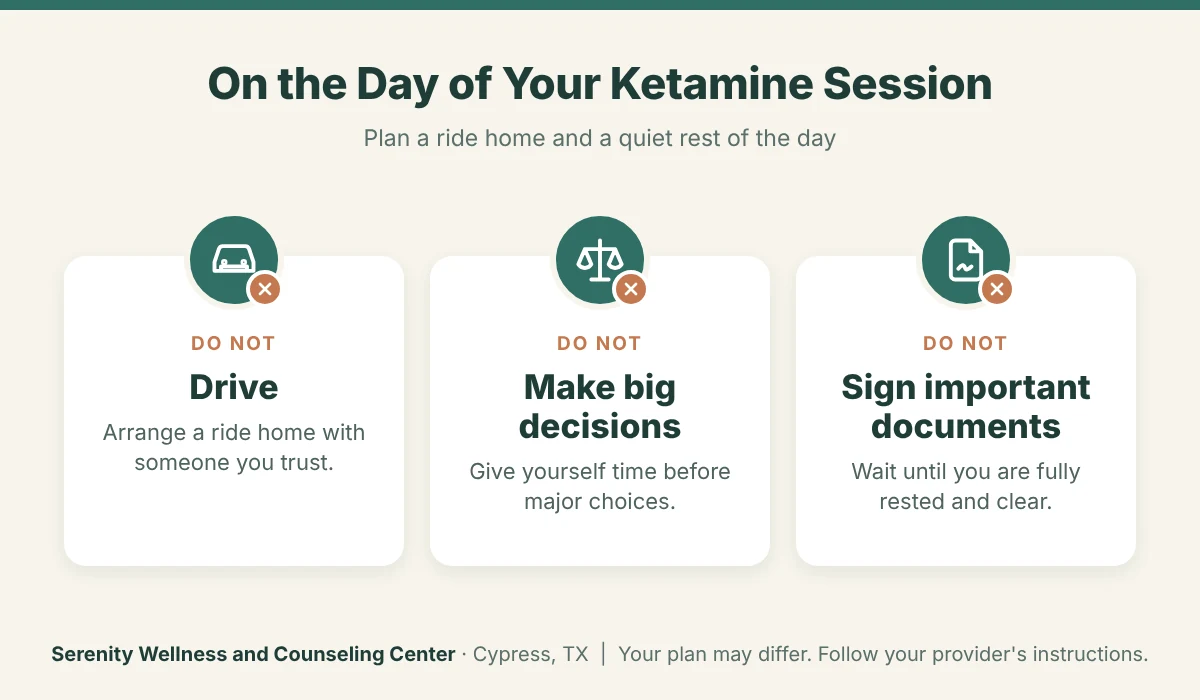
It is common to feel tired, calm, or emotionally open for the rest of the day. Some people notice a lift in mood within days, and others need several sessions or find it is not the right fit. There are no promises with KAP, and your plan is reviewed as you go. On the day of a session, do not:
- drive
- make big decisions
- sign important documents
What affects the cost of ketamine-assisted therapy?
Prices vary between clinics, and we want you to know what to ask. Cost is usually shaped by:
- the medical evaluation and follow-up with the prescribing provider
- the number of ketamine sessions in your plan
- the preparation and integration therapy sessions
- the form of ketamine and how it is given
- how long the plan runs and whether it includes follow-up sessions
Insurance often does not cover ketamine for mental health, so ask about fees and payment options at your consultation and request the details in writing.
Is it right for you?
A consultation is the safest way to find out. You can ask every question you have, and nothing is decided on the first call. For the bigger picture, read our guide to ketamine-assisted therapy in Cypress, TX.
Frequently asked questions
Will I be asleep during the session?
Usually no. KAP is not general anesthesia. Most people stay conscious but in a dreamlike or detached state.
How long does a ketamine-assisted therapy session last?
The main effects of ketamine usually last about 45 minutes to an hour. The full visit is longer, because you stay until you are steady and your provider says you are ready to go. Your provider will give you the timing for your own plan.
Can I drive home afterward?
No. Arrange a ride, and plan a quiet evening.
What if I feel uncomfortable during the session?
Trained staff are nearby and you can tell them how you feel. Your preparation sessions cover what to do if something feels intense.
What are the side effects of ketamine-assisted therapy?
The most common short-term effects are nausea, dizziness, a rise in blood pressure and heart rate, and feeling detached or confused during the session. Some people also feel tired afterward. These effects usually pass as the ketamine wears off. Ketamine is not right for everyone, which is why a medical provider reviews your health history, blood pressure, and medications before you start.
What forms of ketamine are used?
Ketamine can be given as an intravenous infusion, an injection, a dissolving lozenge, or a nasal spray. Esketamine nasal spray (Spravato) is FDA-approved for certain types of depression and is given in a certified medical setting. Other forms of ketamine are used off-label, and the FDA has warned about risks with compounded ketamine products. Ask your provider which form they recommend, where the medication comes from, and who will be with you during the session.
How soon will I feel a difference?
It varies. Some people notice changes within days, others after several sessions, and some do not respond. Your provider will review progress with you.
Do I need to keep seeing my therapist or psychiatrist?
Yes, we encourage it. KAP works best as part of ongoing care, and your providers can coordinate with your permission.
How do I get started?
Request a free consultation through the contact page. We will talk about your history and whether KAP makes sense for you.
Ready to take the next step?
Use the contact button on this page to request a free consultation. We will talk about your history, answer your questions, and explain what a plan could look like. If you are in crisis or thinking about harming yourself, call or text 988 right away.
About the Author
Nicole Bankhead, LPC, is the owner and director of Serenity Wellness and Counseling Center in Cypress, Texas. Learn more about her and the rest of our clinical team.
Continue Exploring
- Ketamine-assisted therapy in Cypress, TX: how it works and who it may help
- What happens during ketamine integration?
- Why preparation and integration matter in psychedelic-assisted therapy
- Ketamine-assisted therapy at Serenity
Sources & Further Reading
U.S. Food and Drug Administration. FDA warns patients and health care providers about potential risks associated with compounded ketamine products, including oral formulations, for the treatment of psychiatric disorders. October 10, 2023.
U.S. Food and Drug Administration.
FDA alerts health care professionals of potential risks associated with compounded ketamine nasal spray. February 16, 2022.
U.S. Food and Drug Administration.
SPRAVATO (esketamine) nasal spray, full prescribing information. Revised January 2025.
988 Suicide & Crisis Lifeline.
This article is for educational purposes and is not a substitute for professional medical or mental health advice, diagnosis, or treatment. If you are in crisis or thinking about harming yourself, call or text 988 or go to the nearest emergency room.